 LTG
New Ukraine-Poland-Germany Container Corridor
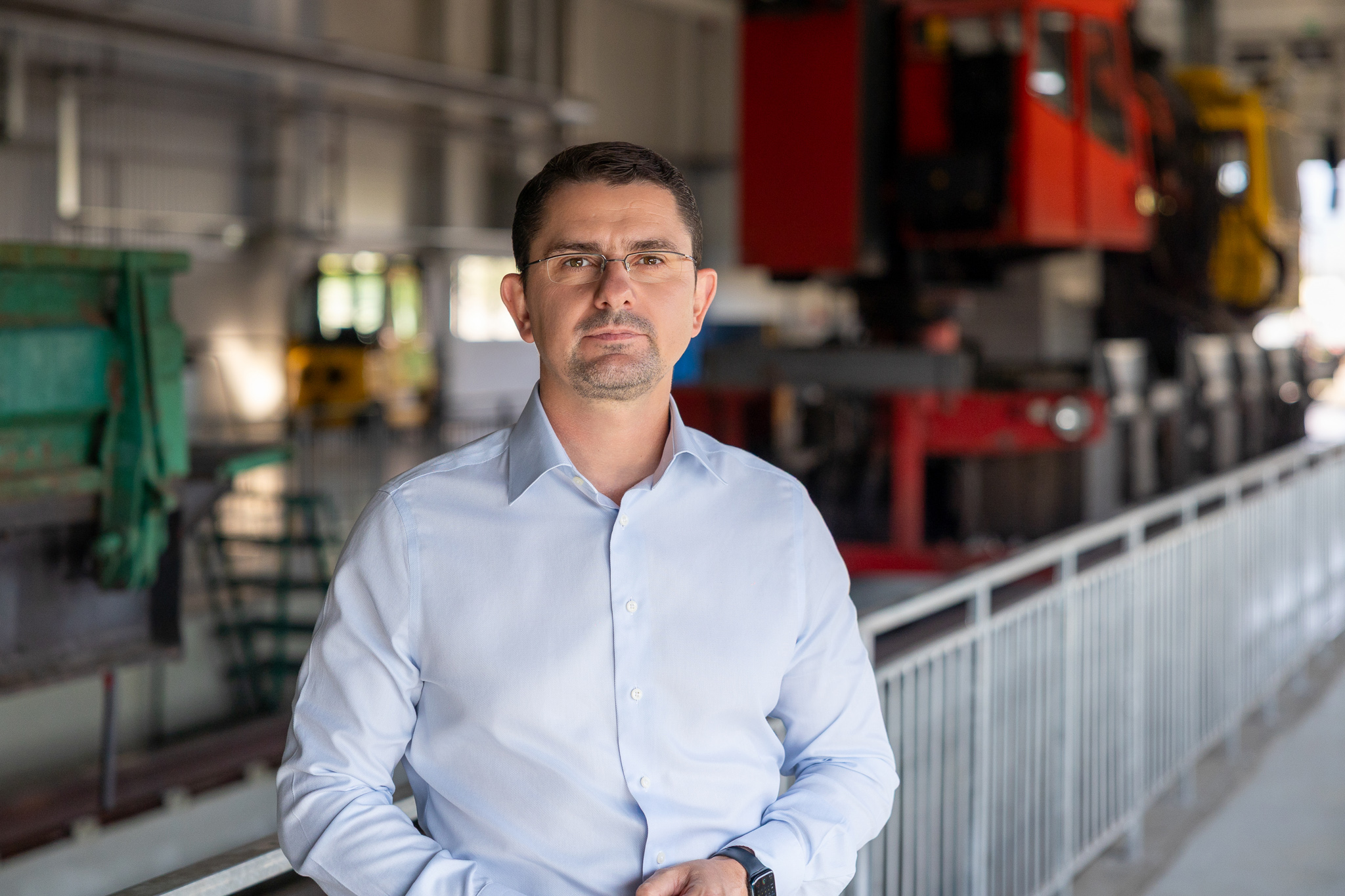
Audrius Pukas, CEO of LTG Cargo Ukraine
Poland and Ukraine are playing an increasingly important role in shaping Europe's transport and logistics landscape. As trade flows shift and supply chains become more interconnected, efficient cross-border rail corridors are emerging as a key factor in connecting Eastern Europe with major European markets.
The development of reliable transport links between Ukraine, Poland, Baltic region, and Germany is therefore becoming both an economic necessity and a strategic opportunity.
The biggest change we are seeing in the market today is the shift from standalone transport services to integrated logistics corridors. Customers are becoming less concerned with who owns a particular wagon or locomotive. What matters much more is whether cargo reaches its destination on time, crosses borders smoothly, and fits into the international supply chain.
That is why, together with LTG Cargo Polska, we plan to develop a new Ukraine-Poland-Germany container corridor. Its aim is to provide Ukrainian exporters with reliable access to European markets while offering European businesses an efficient route into Ukraine. Equally important, such solutions also create added value for our customers in Lithuania. As logistics connections between Ukraine, Poland, and the Baltic states strengthen, new opportunities emerge for expanding intermodal transport, increasing cargo flows through the Port of Klaipėda, and developing new regional supply chains.
Achieving this requires not only commercial readiness but also regulatory solutions. The breakthrough made in recent months regarding the import of used freight wagons into Ukraine creates expectations for faster integration of the Polish, Lithuanian, and Ukrainian markets. We are also working on enabling repairs carried out at LTG Cargo depots in Lithuania to be recognized in Ukraine. This would allow for more efficient use of the Group’s rolling stock and faster responses to customer needs.
Looking ahead, the direction is clear: the development of Ukraine’s logistics sector will depend not only on economic recovery but also on the ability to build reliable international corridors. Today, we are investing in more than fleet utilization or individual projects. We are building connections between the Polish, Ukrainian, Lithuanian, and wider European markets that will, over time, become an important part of the region’s trade and logistics infrastructure. In our view, this is where the greatest value for customers lies and the strongest foundation for sustainable growth in the future.